Chemical peel aftercare: the first week
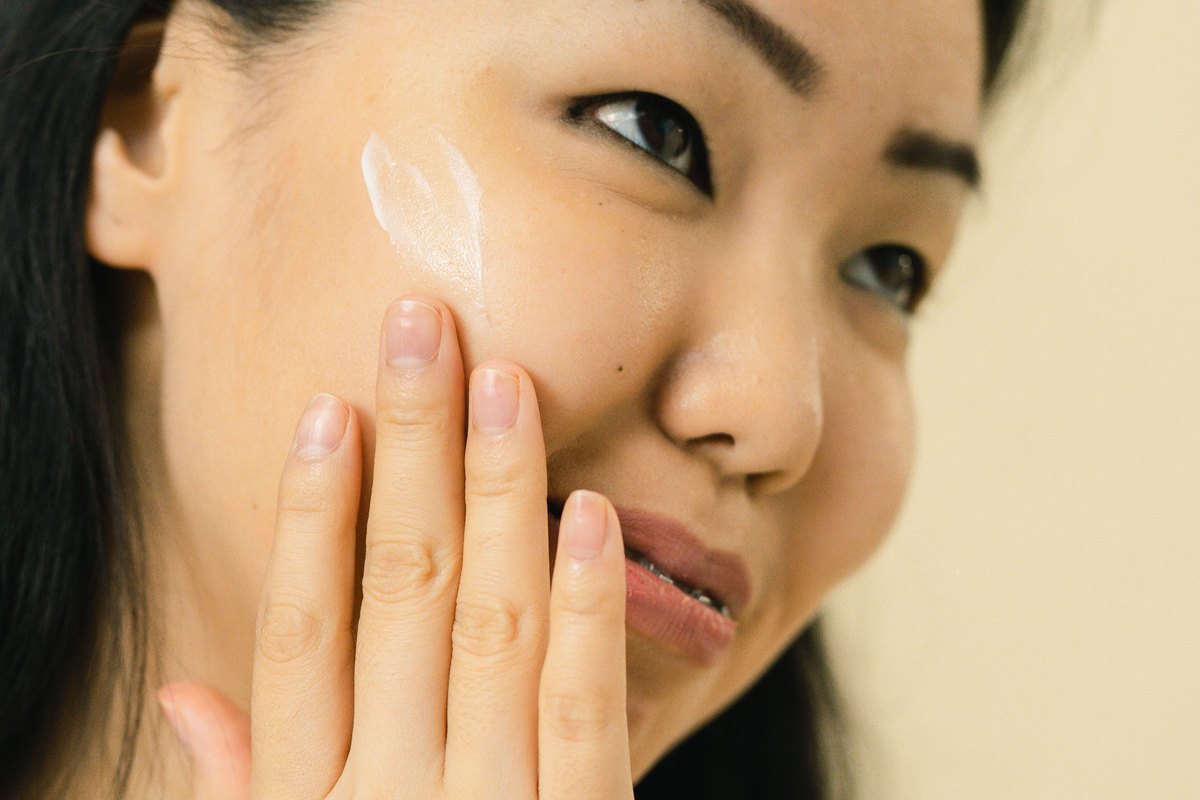
Everyone wants to know what a chemical peel feels like the moment it's happening. Almost no one asks what it feels like on day three, when the appointment is over and you're the one deciding whether that tightness around your mouth is normal or a problem.
This is the part that actually matters for your results. A peel does its work over the days after your appointment, not just during it — and what you do (or don't do) in that window decides whether you end up with brighter, smoother skin or an irritated mess. Here's the honest, day-by-day version, peel by peel.
Does every chemical peel have the same aftercare?
No, and this is where a lot of aftercare advice online goes wrong — it treats "chemical peel" as one thing. At The Quiet Skin the three peels on the menu behave differently enough that your aftercare should look different too.
- Refresh (lactic or mandelic acid): the gentlest of the three. Little to no visible flaking for most people.
- Clarify (salicylic acid): built for congestion and breakouts. Some peeling around the chin and nose is normal a few days in.
- Brighten (a stronger professional blend): for melasma, sun damage, and post-acne marks. Real, visible peeling for a few days is part of how it works.
The shared rule across all three: whatever your skin does in the days after, don't rush it and don't pick at it. The differences below are about degree, not about whether the rules apply.
What does the first 24 hours after a Refresh peel actually look like?
For most people, not much. Skin might feel slightly tight or look a little pink for a few hours, similar to mild sun exposure. Because lactic and mandelic acids are gentler and more hydrating by nature, visible peeling is uncommon. You can typically go straight back to your day.
That doesn't mean skip aftercare. Keep the routine simple: a gentle cleanser, the barrier-focused moisturizer you're sent home with, and SPF every morning, peel or no peel. Skip retinoids and exfoliating acids for the week so your skin isn't doing two jobs at once.
What does the first week after a Clarify peel look like?
Day one usually feels like mild tightness, similar to Refresh. By day two or three, some peeling around the chin and nose is normal — that's the salicylic acid working through congested pores, not a sign anything went wrong. It's usually light: flaking or slight roughness, not sheeting off in patches.
Through that stretch: no picking, no scrubbing, no exfoliating acids of any kind, even mild ones from your own skincare cabinet. Let the flaking finish on its own timeline — picking at it risks a mark that outlasts the peel itself. SPF stays non-negotiable, since freshly exfoliated skin sunburns and pigments more easily. By day five to seven, most people are through it and starting to see the clarity the peel was aimed at.
What does peeling actually look like with the Brighten peel?
This is the one with real, visible downtime, and it's worth saying plainly: expect two to four days of noticeable peeling. Skin can look flaky, sometimes tight or slightly swollen the first day, and the shedding itself is often more visible than with Clarify — this is a stronger blend, chosen deliberately for melasma, sun damage, and post-acne marks that a lighter peel won't touch.
A rough timeline: 1. Day 1: tightness, possible mild redness, skin may look shiny or slightly swollen. 2. Days 2-4: the visible peeling phase — flaking, sometimes in small sheets, especially around the mouth and cheeks. 3. Days 5-7: peeling tapers off, skin looks pink or fresh underneath, and brightness starts to show.
Because the Brighten is almost always run as a series of three, spaced about a month apart, this downtime repeats with each session. Plan the timing around your calendar, not the other way around — this is not a peel to schedule two days before an event.
What's the single rule that matters most during any peel recovery?
Don't pick. Whatever is flaking, cracking, or lifting, let it come off on its own. Picking at peeling skin is the most common way an ordinary recovery turns into a scab, a slow-healing spot, or a mark that lingers long after the peel itself would have faded. It's tempting, especially mid-week when it looks worse before it looks better — but it's the one habit that can undo an otherwise textbook peel.
Why does SPF matter so much right after a peel?
Because a peel's whole job is removing the top layer of tired, sun-damaged cells — which means the skin underneath is newer, thinner, and far more reactive to UV than it was a week ago. Skipping sunscreen during peel recovery doesn't just risk a sunburn; it risks undoing the evenness the peel was meant to create, especially with the Brighten peel, where pigment correction is often the whole point.
Daily SPF isn't a peel-week rule, though — it's a baseline for anyone doing professional exfoliation at all, peel or otherwise.
What should aftercare products actually contain?
Less than you'd think. The days right after a peel aren't the moment for a full active-ingredient routine — they're the moment for barrier-first basics: a gentle cleanser, a simple moisturizer built to support the skin barrier while it's vulnerable, and SPF. Retinoids, vitamin C serums, exfoliating acids, and anything labeled "active" go on pause for the week, even if they're a normal part of your routine the rest of the month.
This is also why every peel at The Quiet Skin goes home with aftercare guidance matched to that specific peel and your specific skin, rather than a generic printout — a Refresh and a Brighten simply don't need the same instructions.
Where to go from here
If you're deciding which peel is right for you in the first place, our comparison of glycolic, lactic, TCA, VI, and Jessner peels walks through what each one does and the honest downtime for each. You can see the full menu, including Refresh, Clarify, and Brighten, on the chemical peels page.
Or skip ahead and book a consultation — every first peel starts with a consultation, so the aftercare you get is built around your skin, not a worst-case average.
Questions, answered
Can I wear makeup after a chemical peel?
Usually yes, the next day, once any tightness has settled — but skip it entirely on the day of your peel so the skin can breathe while it's most reactive. If you're actively peeling, keep makeup light and let flaking finish before layering on more product.
Can I exercise after a chemical peel?
Give it a day or two, especially with the Clarify or Brighten. Sweat and heat irritate freshly treated skin, and a hot, flushed face works against the calm-down period you're trying to protect.
What if my skin barely reacted at all?
That's normal, especially with a Refresh — lactic and mandelic acids are built to work with little to no visible flaking. No peeling doesn't mean no results; it means the acid was matched to your skin instead of oversold.
When should I call about my peel instead of waiting it out?
If you see swelling beyond the treated area, blistering, deep cracking, or a reaction that's still getting worse past day five, that's outside normal peeling and worth a call — not something to quietly wait out.
Do I need special products, or will my regular routine work?
Most regular routines need to pause, not upgrade. Drop retinoids, exfoliating acids, and any "active" serums for the week, and lean on the simple barrier-first products you're sent home with instead — more steps isn't the goal, less irritation is.